Tag: featured

Getting to Annapurna Base Camp

Often overshadowed by its Everest cousin, the Annapurna Base Camp trek offers a strikingly different, yet equally profound, Himalayan experience. The journey will take you through lush rhododendron forests, charming Gurung villages, and eventually into a breathtaking natural amphitheater circled by 7,000m and 8,000m peaks. You’ll swap thin, cold air for humid warmth and exposed barrenness for vibrant greenery, all while gaining indelible memories.
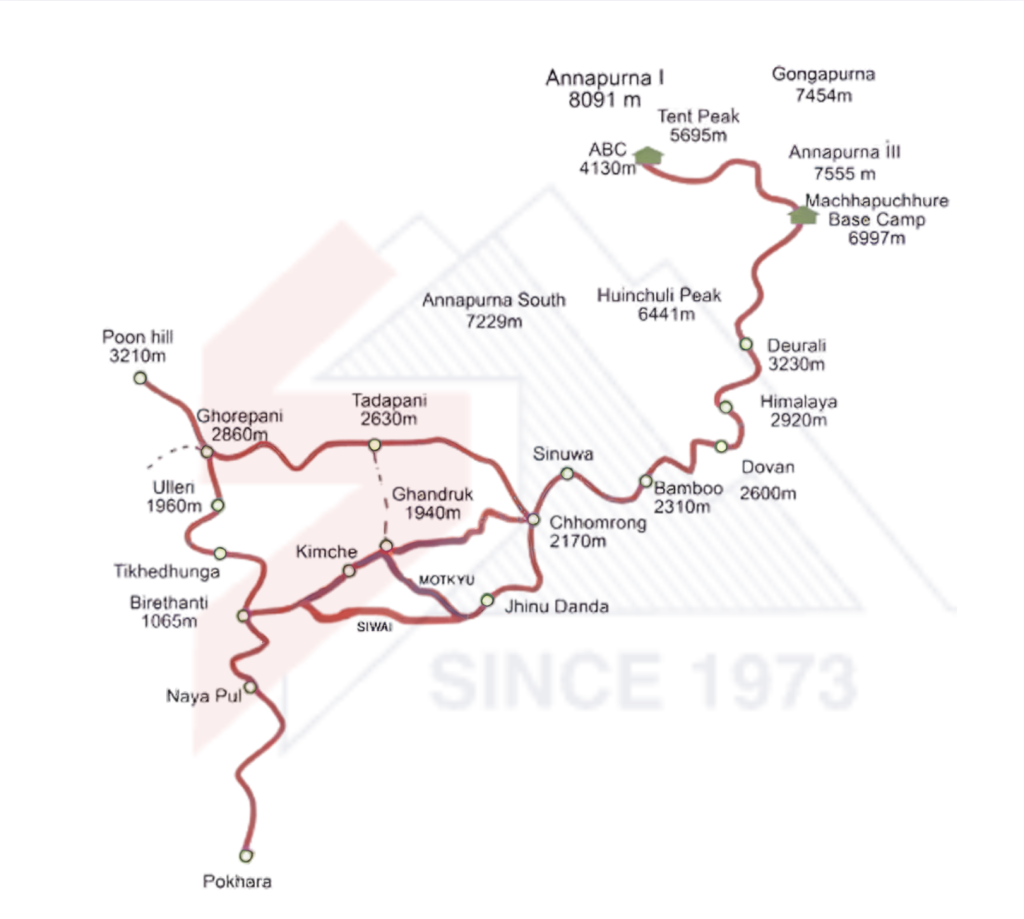

Nayapul / Ghandruk (Approx. 1,070m / 2,012m)
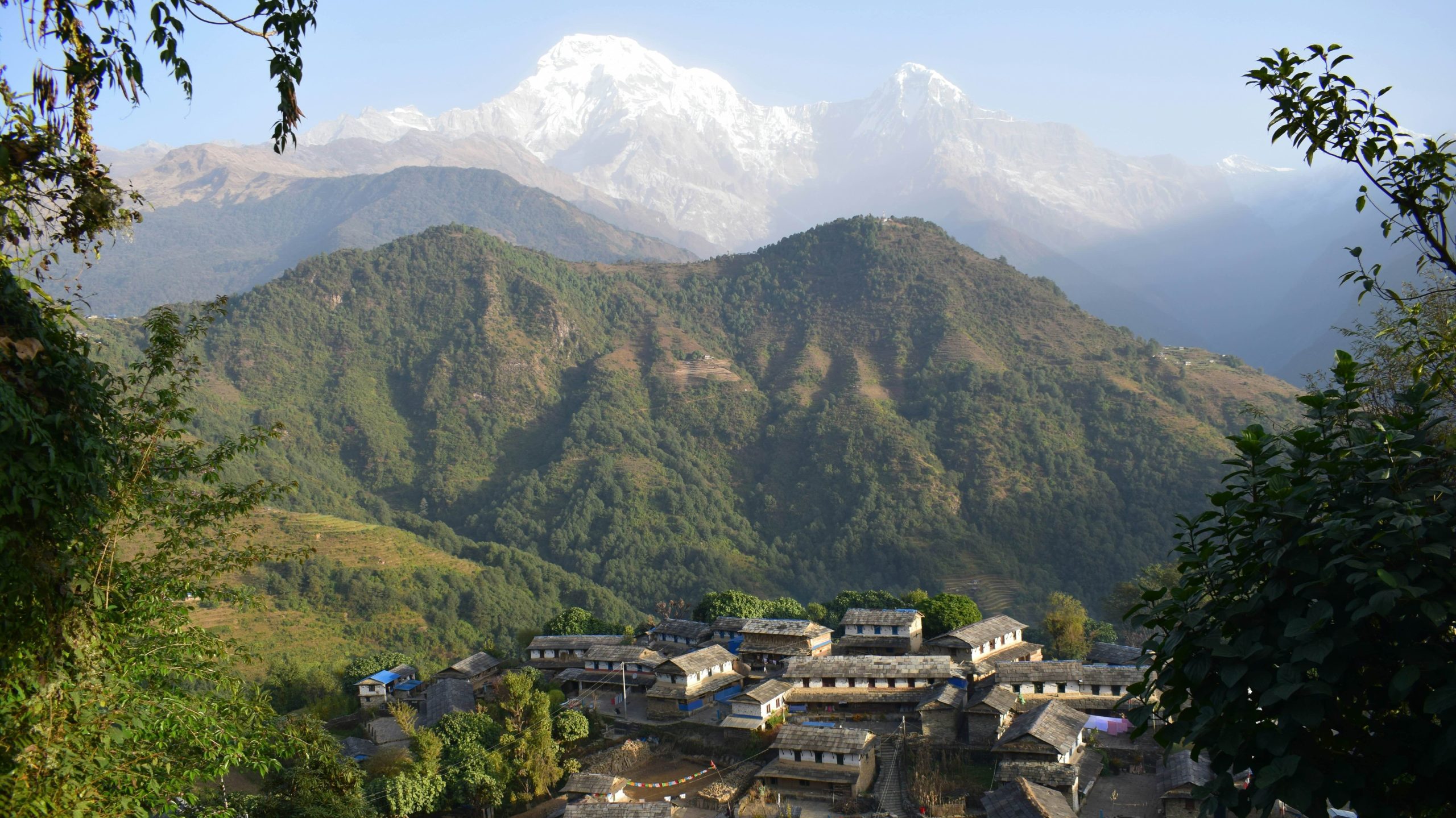
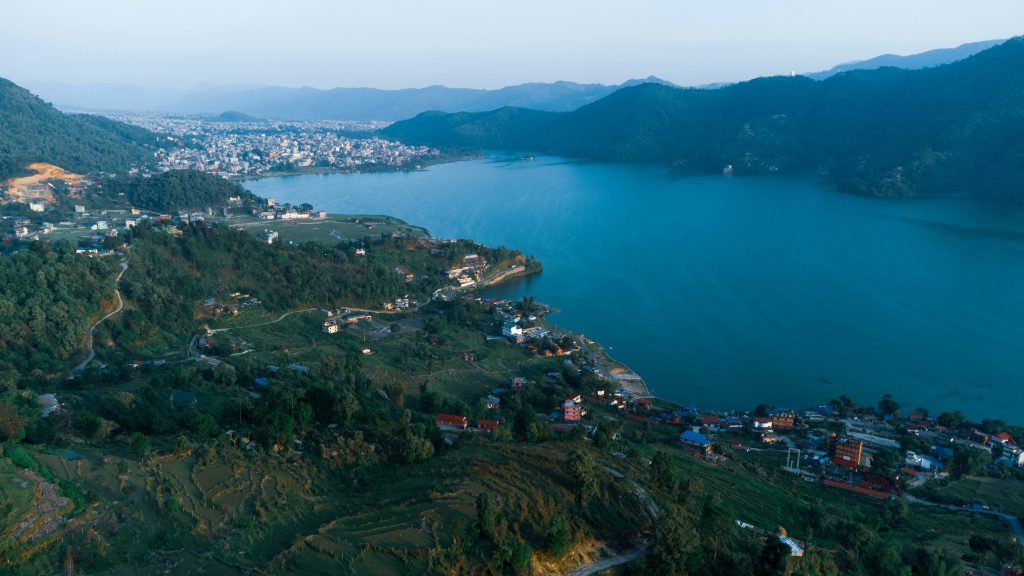
Your adventure begins not with a dramatic mountain flight, but with a gentle immersion into Nepal’s mid-hills. Often starting from Nayapul, you’re soon enveloped by terraced rice fields and the sounds of rushing rivers. Many treks quickly ascend to Ghandruk, a picturesque, traditional Gurung village. Here, stone houses cling to hillsides, rhododendron blooms splash vibrant colors, and the first tantalizing glimpses of Annapurna South and Machhapuchhre (Fishtail) peek through, hinting at the giants to come. This initial stretch is a verdant welcome, a gentle easing into trekking life.


Chhomrong (2,170m)

After days of winding through quaint villages and across suspension bridges, the ascent to Chhomrong feels like a significant milestone. Perched on a ridge, this lively village serves as a major gateway to the Annapurna Sanctuary. From its stone-paved paths, you’ll get some of the most iconic, postcard-perfect views of Machhapuchhre’s unmistakable “Fishtail” peak and the towering Annapurna South. It’s a place where trekkers gather, share stories, and prepare for the deeper dive into the heart of the Annapurna range, knowing the true giants now stand sentinel.


Dovan (2,600m) / Himalaya Hotel (2,920m)

Beyond Chhomrong, the trail plunges into a dense bamboo and rhododendron forest, following the Modi Khola river. The air here is often damp and cool, the sounds dominated by the rushing water and chirping birds. Stops like Dovan and Himalaya Hotel offer rustic lodges nestled deep within the valley, providing shelter amidst the thick jungle. It’s a transition zone, where the landscape shifts from cultivated terraces to wild, untamed nature, preparing you for the more alpine environment ahead. The oxygen levels slowly but surely begin to demand more effort.


Deurali (3,200m)

The forest gradually thins as you climb towards Deurali, a small cluster of lodges nestled beneath towering cliffs. The landscape takes on a more dramatic, rugged feel, often with waterfalls cascading down rocky faces. This is where the true sense of being deep within the mountains begins to settle in. Surrounded by vertical rock walls and the persistent roar of the Modi Khola, Deurali offers a stark reminder of the immense scale of the Annapurna massifs, which now completely dominate your view.


Machhapuchhre Base Camp (MBC) (3,700m)

After Deurali, a final push through an even more exposed, rocky terrain brings you to Machhapuchhre Base Camp. While not a true base camp for summiting the sacred Fishtail (it remains unclimbed), it serves as a crucial acclimatization stop and a breathtaking viewpoint. Here, you’re literally surrounded by a ring of colossal peaks – Hiunchuli, Annapurna South, Annapurna I, Gangapurna, and the majestic Machhapuchhre itself. The air is crisp, the silence profound, and the sheer scale of the mountains, looming so close, is utterly humbling. This is where the magic truly begins to reveal itself.


Annapurna Base Camp (ABC) (4,130m)
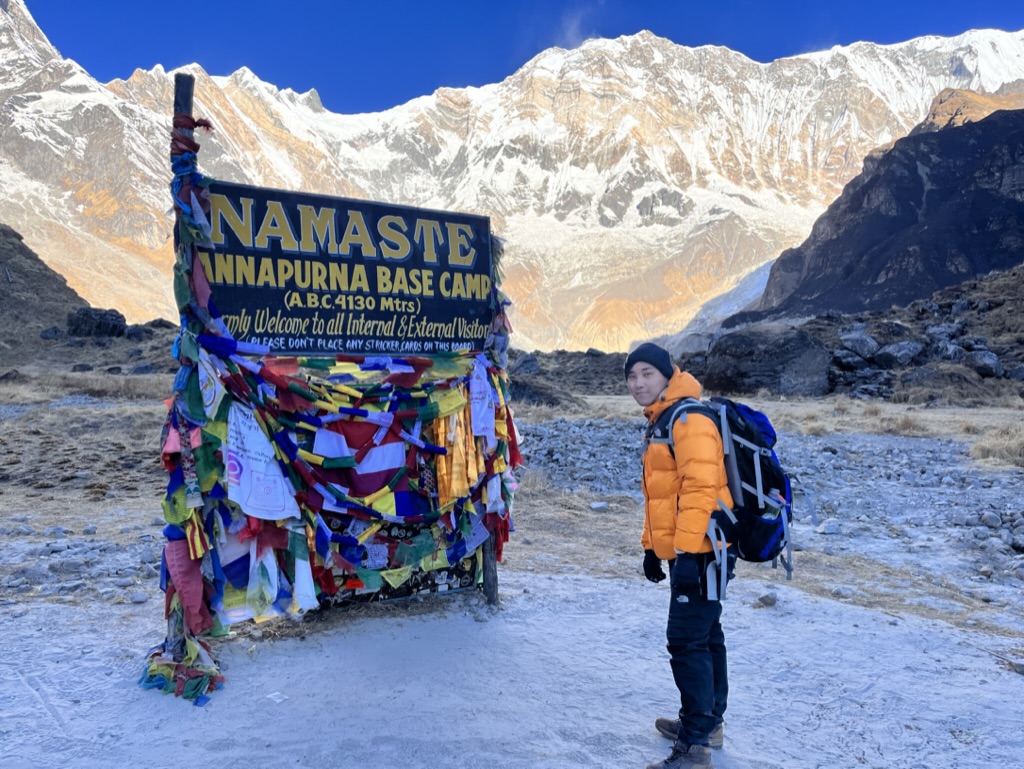
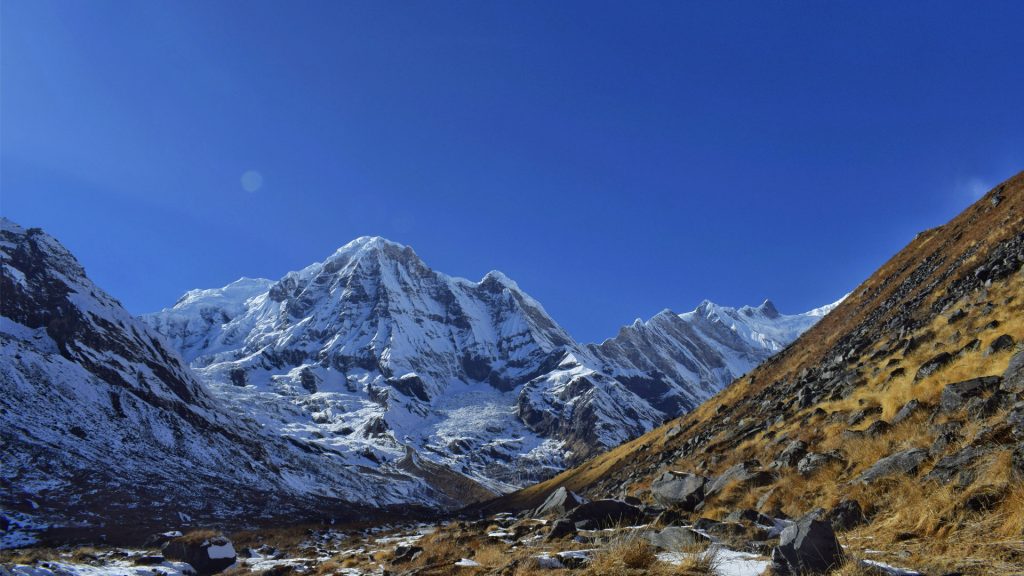
A short, glorious trek from MBC brings you into the ultimate reward: Annapurna Base Camp, nestled within the magnificent Annapurna Sanctuary. Here, if you’re lucky, you’ll get an unmatched view encircled by some of the world’s most formidable peaks:

  • Annapurna I (8,091m)
  • Annapurna South, Hiunchuli
  • Gandharva Chuli
  • Tent Peak
  • Gangapurna
  • The sacred Machhapuchhre form a breathtaking 360-degree panorama.
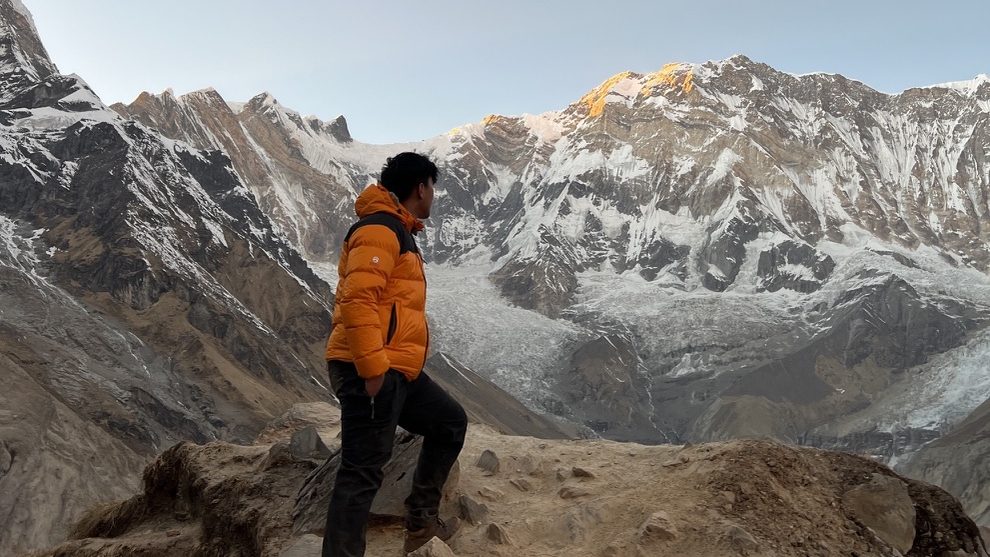
Here, you’re standing at the foot of an 8,000-meter peak, yet the feeling is one of serene enclosure, not stark exposure. Sunrise paints the snow-capped giants in hues of gold and orange, a spectacle that etches itself into your soul. The energy is one of profound peace and immense wonder. It’s a spiritual communion with the mountains where you feel tiny yet utterly connected to something ancient and grand.


The Trek Back

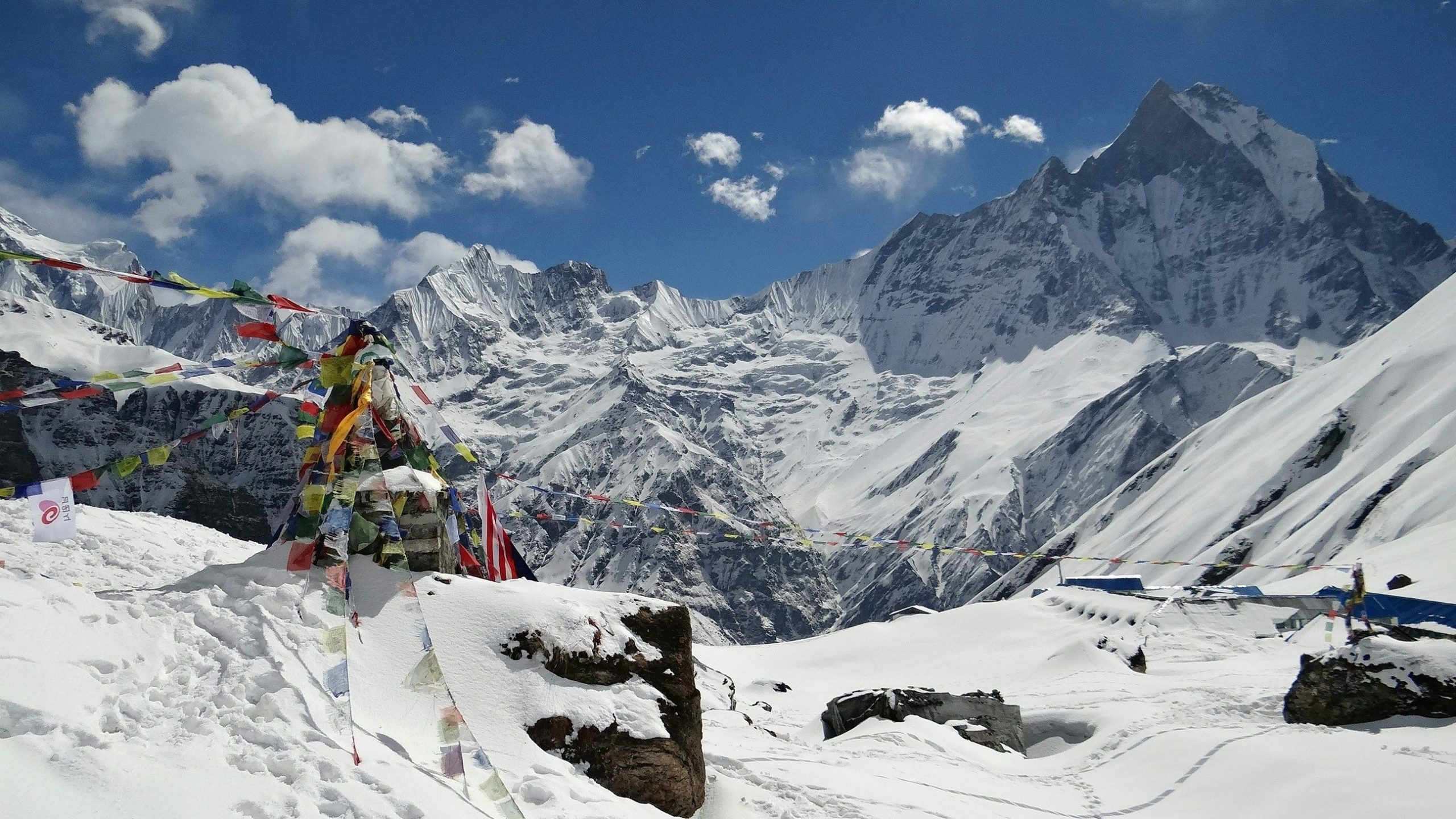
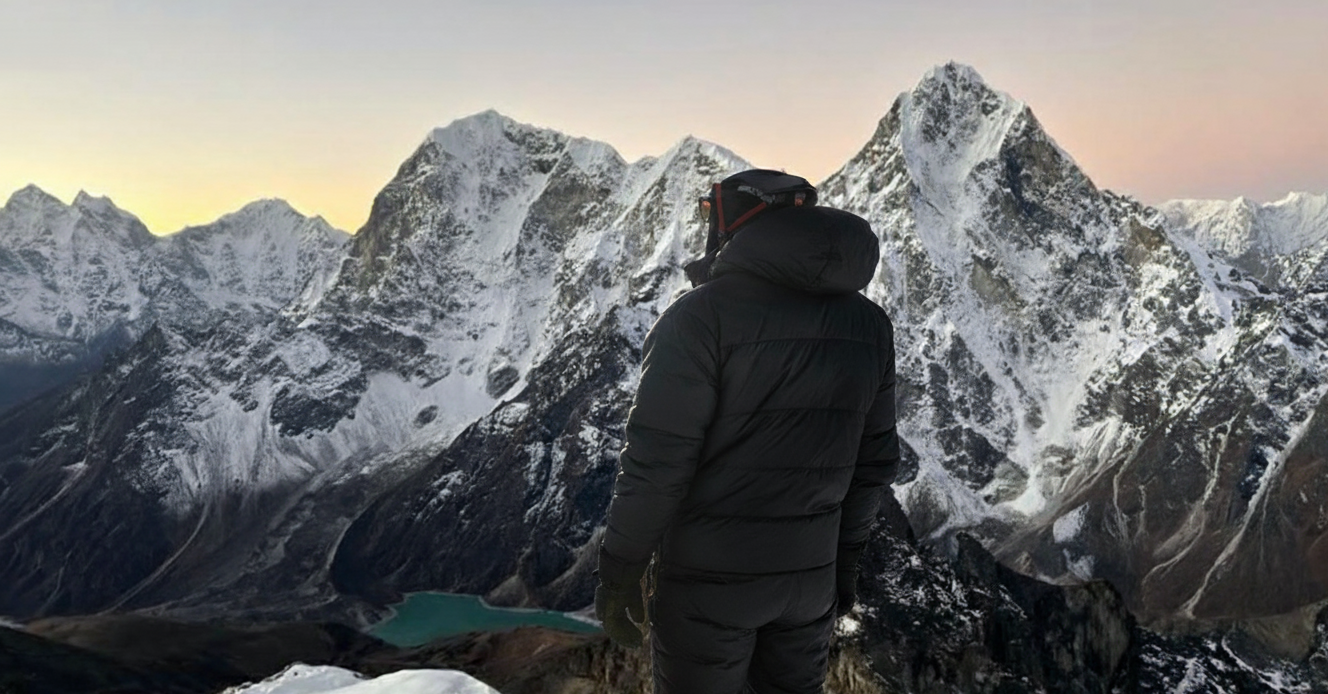
The view looking backwards from ABC of Machhapuchhre (fishtail) mountain

Having absorbed the majesty of the Annapurna Sanctuary, the journey back often feels more relaxed, a celebratory descent. The gradual loss of altitude brings back a hearty appetite and a spring to your step. You’ll retrace your path through familiar villages, seeing them with fresh eyes, and savoring the greenery and warmth that felt so normal just days before. Commend your fortitude and resilience, for you’ve not only trekked to a base camp but stepped into the very heart of the mountains.

Annapurna Base Camp is an intimate encounter with the Himalayas, a trek that weaves through cultural tapestry and verdant wilderness before culminating in an almost surreal mountain embrace. And that, in a nutshell, is why it’s more than just a destination. It’s a profound journey of discovery, both external and internal.

Getting to Everest Base Camp

Listed on countless bucket lists, it’s our turn to write about the world’s most famous trek. You’re guaranteed to lose a few pounds but gain so much more in memories and experience.


Lukla (2,845m)

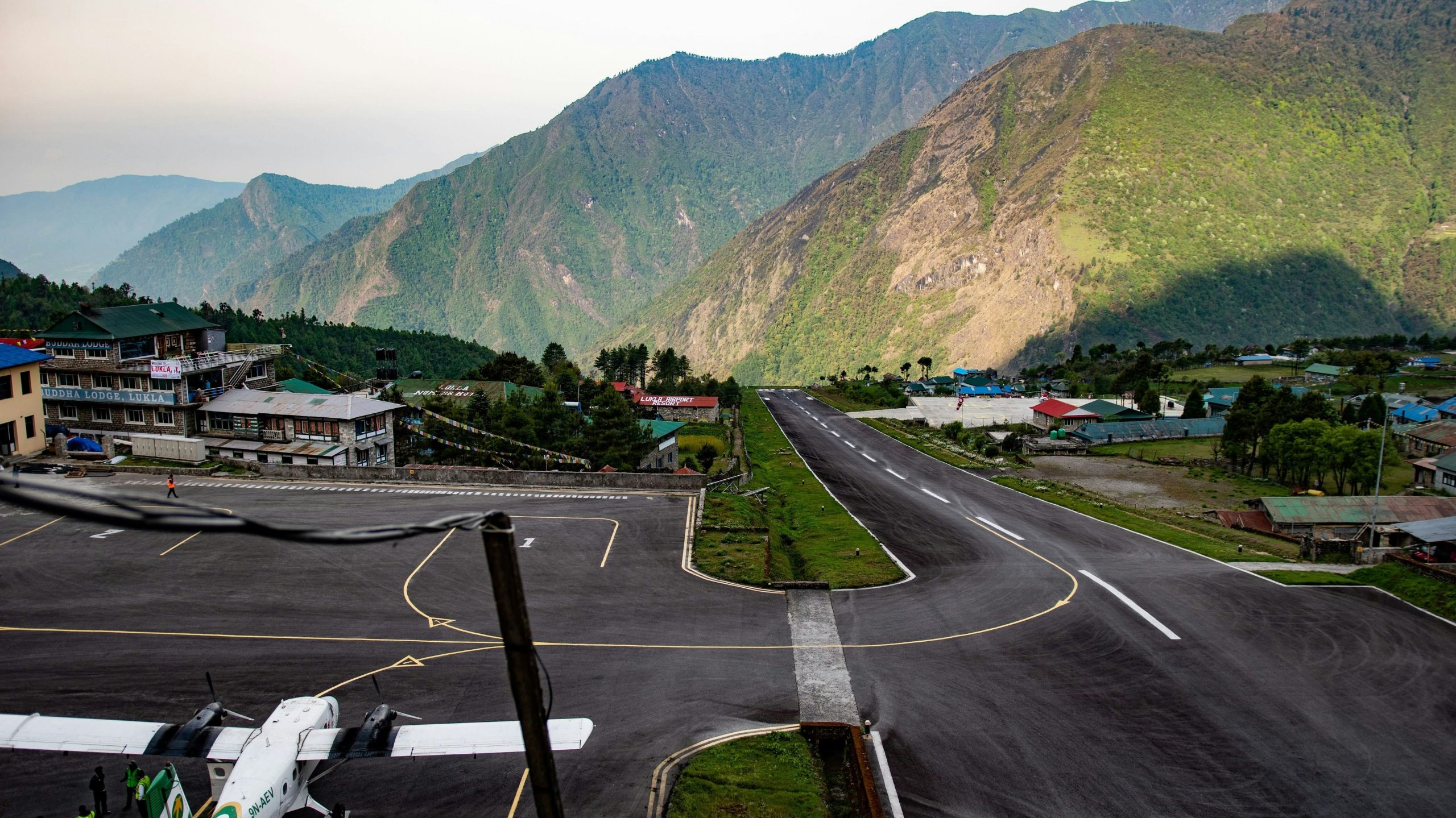
Your journey begins on a runway that feels too short, nestled between mountains, where you’re suddenly breathing different air that’s thinner and sharper. The initial days are a green blur of rhododendron forests, suspension bridges swinging over roaring rivers, and the constant chime of yak bells as you ascend among the Sherpa people.

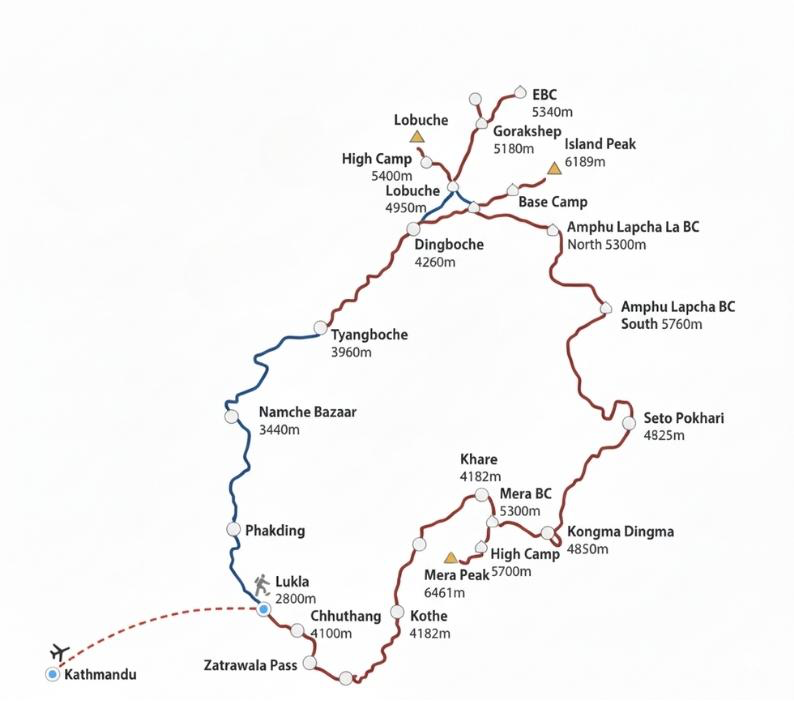
It’s worth noting that not all treks head the same way. For example the popular Mera Peak summit follows a divergent path from this airport.


Namche Bazaar (3,440m)

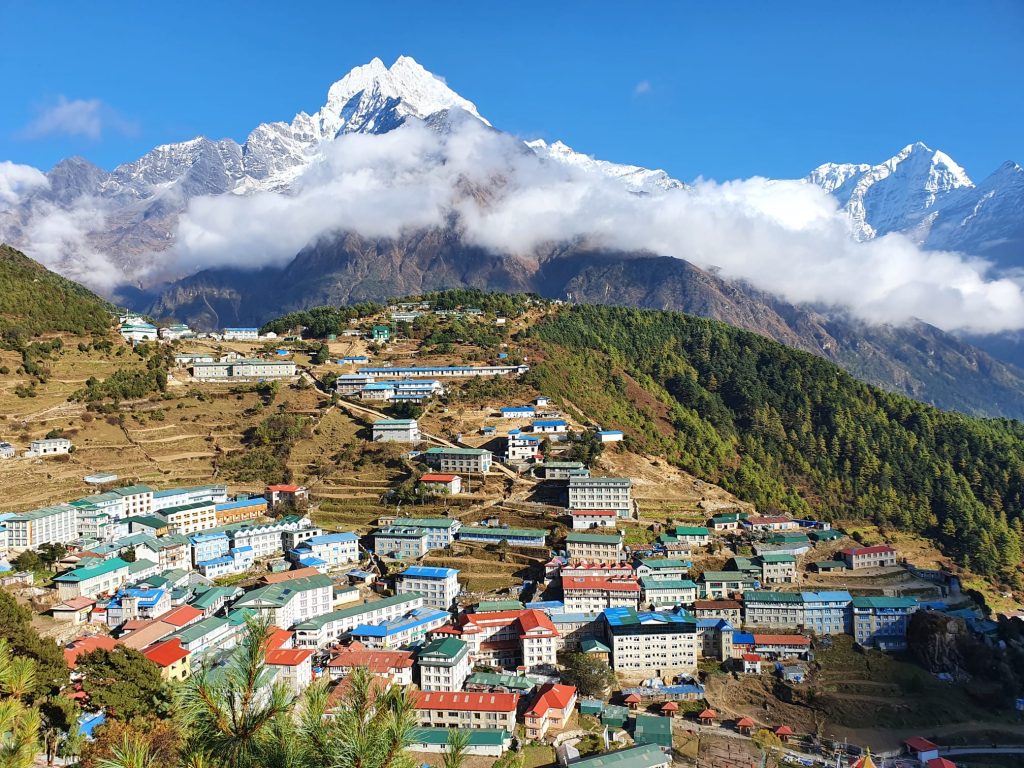
Acclimatization for most would begin around Namche Bazaar, often called the “Gateway to Everest”, where you’ll find a bustling town that glows at night.

Headaches become common companions. Sleep can be elusive. This vibrant hub, carved into a crescent-shaped mountain face, offers a first proper glimpse into Sherpa culture and the scale of the Himalayas. That appetite you had back home? It might just vanish, replaced by a constant mild nausea.

If any last minute shopping/renting need be done, this would be the spot.


Tengboche (3,867m)

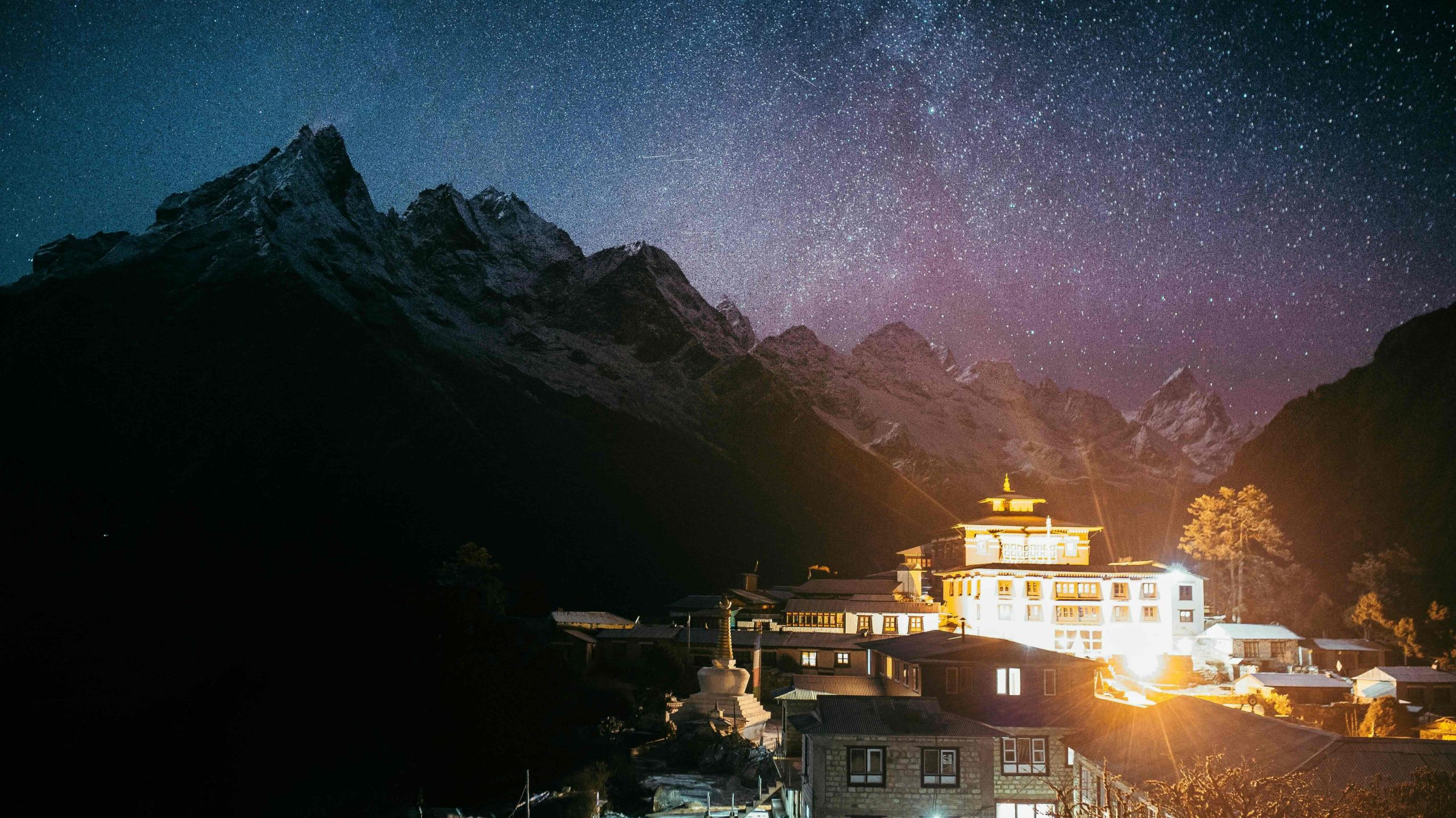
Beyond Namche, the trail continues its relentless climb through fragrant juniper and rhododendron forests. Tengboche emerges as a serene and incredibly scenic stop, dominated by its famous monastery. This is the spiritual centre of Khumbu, where trekkers and climbers often receive blessings for safe passage. The views from here are nothing short of spectacular, with Ama Dablam, Everest, and Lhotse filling the horizon.


Deboche (3,820m)

Just a short distance below Tengboche, Deboche offers a quieter, more intimate setting. Often a stop for lunch or a peaceful overnight stay, it’s surrounded by lush forests and offers a gentle descent from Tengboche, providing a brief moment of reprieve before the serious ascents continue. It’s a reminder that even in the vastness of the Himalayas, small, charming settlements offer warmth and shelter.


Pangboche (3,985m)

Pangboche is one of the oldest and most traditional Sherpa villages in the region. Its ancient monastery is a treasure trove of history, rumored to house a Yeti scalp. This village provides a deeper connection to the local heritage and a stunning vantage point overlooking the Imja Khola river. The air is thinning, and the mountains grow ever closer, signaling your deep immersion into the high Himalaya.


Dingboche (4,410m)

Nestled in the beautiful Imja Valley, Dingboche marks a significant milestone in your ascent. The landscape here transitions dramatically to sparse, alpine tundra, dominated by stone walls and grazing yaks. Another crucial acclimatization stop, you’ll typically spend an extra day here to help your body adapt. The surrounding peaks, including Ama Dablam, Island Peak, and Lobuche East, create a majestic amphitheater, reminding you of the formidable challenges that lie ahead.

Climbers wishing to scale the famous Island Peak diverge here.


Lobuche (4,940m)

The trek to Lobuche is often tough, gaining significant altitude through an exposed, rocky landscape. Located at the foot of the Khumbu Glacier, this small settlement serves as the last major stop before Everest Base Camp. The air is noticeably thin, and the cold bites harder here. It’s a place of hushed anticipation, where trekkers prepare for the final push, surrounded by immense peaks and a palpable sense of the mountaineering history that permeates the air. This is also the starting point for those tackling Lobuche East, a fantastic beginner mountain for Everest and technical climbing.


Gorak Shep (5,164m)

The last inhabited spot with lodges before Everest Base Camp. It’s stark, often windswept and strategically vital. Most trekkers spend the night here, using it as a base for both their journey to EBC and an early morning ascent to Kala Patthar. The landscape here is truly lunar, dominated by rocks, ice, and the sheer scale of the surrounding giants.


Everest Base Camp (5,364m)

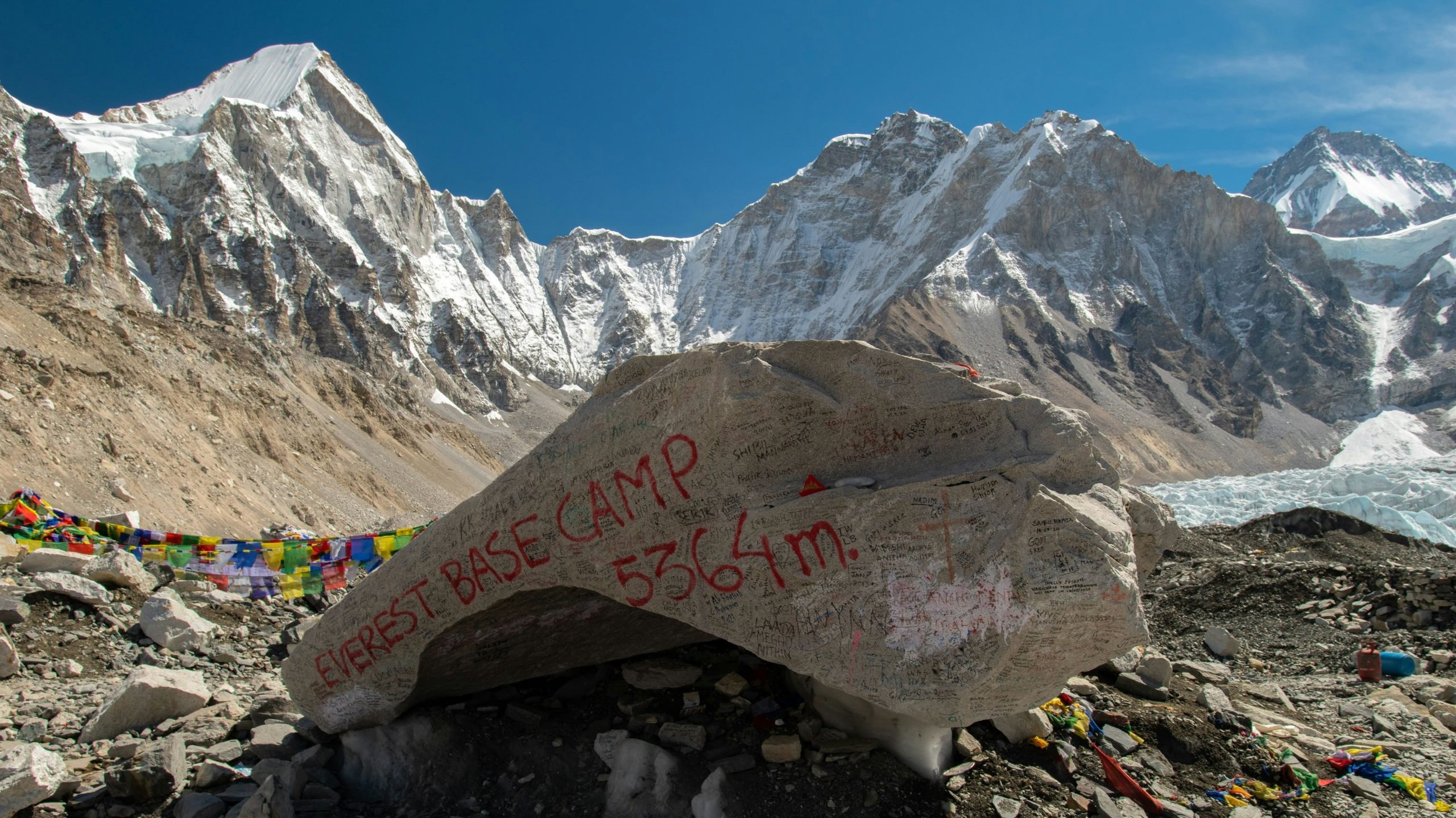
A job well done! EBC is now a temporary city of tents pitched on a glacier that has lasted over 70 years since. You’ll walk amidst tents of expeditions preparing for the summit, an incredible atmosphere of ambition and camaraderie. While Everest’s summit is partially obscured, the energy, the history, and the sheer awe of being at the foot of the world’s highest mountain are undeniable.


Khumbu Icefall (5,486m) – Gateway to the Summit.

Starting right at the end of EBC on the side closest to Everest itself, the Khumbu Icefall is a chaotic, frozen river of ice, constantly shifting, groaning, and calving. It is a dynamic, massive, and highly dangerous section of the Khumbu Glacier that flows down from the Western Cwm.

Mount Everest itself is partially hidden by Nuptse, a guardian peak. But the scale, the sheer audaciousness of what lies beyond the Icefall – that’s what hits you. This is where dreams are launched, where immense courage is gathered.


Kala Patthar (5,643m) – Front row seat to Everest

For the classic, unobstructed Everest panorama, the final push is to Kala Patthar. ‘Black Stone.’ A short, steep hike from Gorak Shep, usually at dawn. The air bites. Your legs are heavy. But as the sun kisses the summit of Everest, turning it to gold, you understand. The view here, higher at 5,643m, truly is better than EBC itself. It’s your front-row seat to the top of the world.


The Trek Back

Once you’ve gasped your sigh of relief having reached the end destination and witnessing the almighty, the descent is physically and mentally the easiest part. Commend your fortitude and resilience on the way down.

Everest Base Camp is an internal expedition, a deep dive into discomfort and awe, and ultimately, a profound encounter with your own capabilities. And that, in a nutshell, is why it’s more than just a destination. It’s a transformation.

Conquer The Three Peaks

For aspiring mountaineers dreaming of towering Himalayan summits, the journey best begins with a deliberate progression. Here at Sherpa Society, we specialize in building long term relationships with our clients over the years and even decades, guiding you safely and successfully through the Himalayas.

The Three Peaks are a great introduction to serious climbing for those ready to move beyond trekking and embrace the thrill of glacier travel, fixed ropes, and significant altitude. These Three Peaks in the Everest’s Khumbu region include:

  • Mera Peak (6,476m)
  • Island Peak (6,189m)
  • Lobuche East (6,119m)

These three mountains offer a progressive test of skill, endurance, and acclimatization, making them the perfect stepping stones for future 7,000m or even 8,000m ambitions.


1. Mera Peak (6,476m)

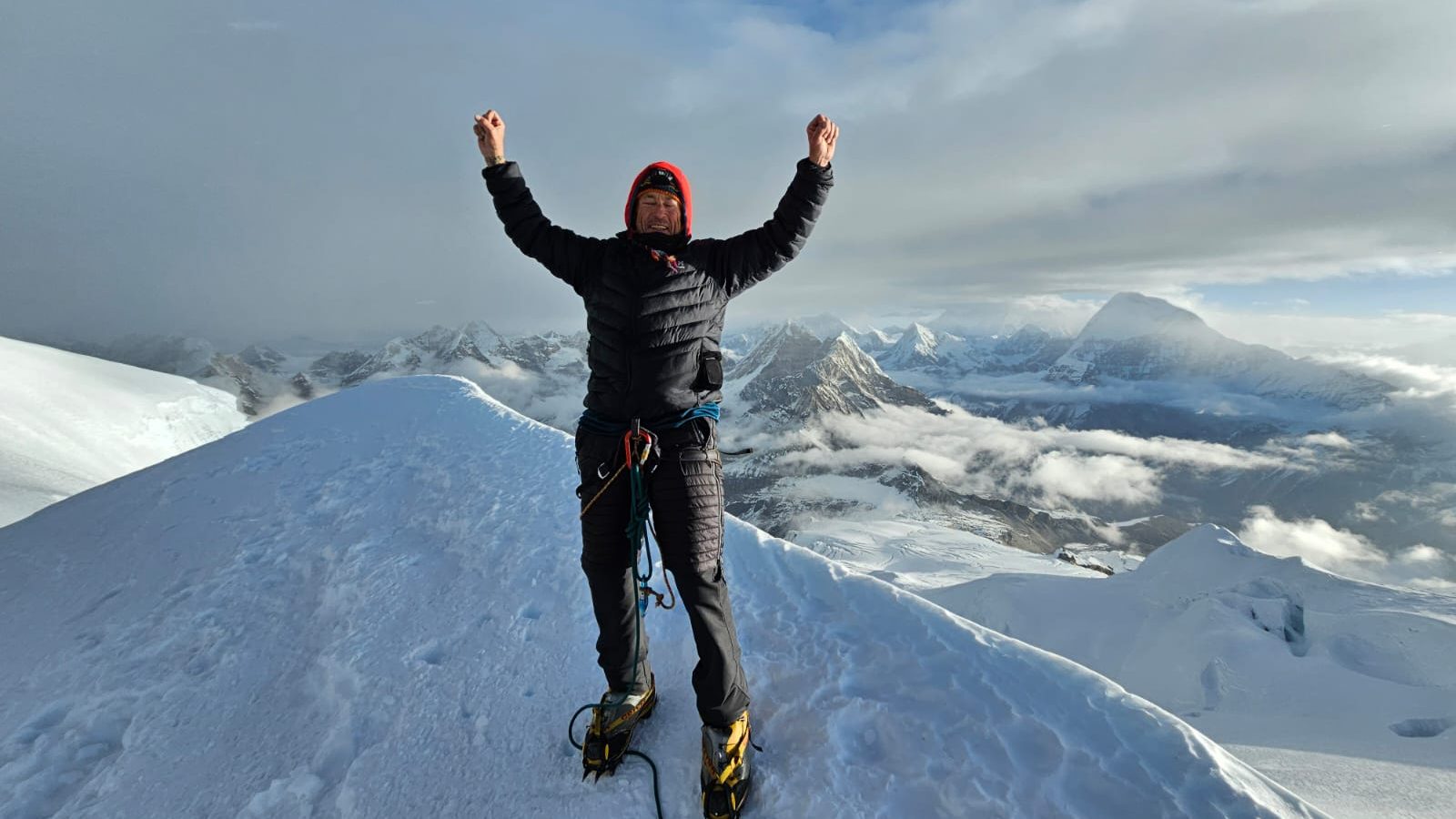
Jurgen Sollner, at age 64 in November 2024, an ex-marathon runner at the summit of Mera.

Often touted as the highest trekking peak in Nepal, Mera is renowned for its straightforward ascent and, more importantly, its utterly breathtaking panoramic summit views. From its lofty summit, you get an unparalleled 360-degree spectacle of five of the world’s six highest mountains: Mount Everest, Lhotse, Makalu, Cho Oyu, and Kangchenjunga. It’s a view that truly leaves you speechless.

While high in altitude, Mera Peak is technically less demanding than Island Peak or Lobuche East. Its long, gradual snow slopes are ideal for learning crampon technique, rope management, and testing your acclimatization to extreme heights in a relatively safe environment.


2. Island Peak (6,189m)

Officially known as Imja Tse, Island Peak is perhaps the most famous and visually striking of the three. Located in the Chhukung valley, its distinctive summit pyramid offers the biggest technical challenge. The climb involves navigating a glaciated terrain, crossing crevasses, and ascending a steep headwall with the assistance of fixed ropes and a Jumar (ascender).

Island Peak builds on the glacier skills learned on Mera, introducing you to steeper climbing, rappelling, and more significant exposure. It’s a crucial step in developing the technical proficiency and mental fortitude required for higher peaks.


3. Lobuche East (6,090m)

Often combined with the Everest Base Camp trek, Lobuche’s East Peak provides an incredible climbing challenge right in the heart of the Khumbu region, offering spectacular views of Everest, Lhotse, Nuptse, and Ama Dablam. It is often considered the most technically demanding of the three, featuring rock scrambling, steep snow and ice climbing, and navigating exposed sections along its stunning ridge.

Successfully climbing Lobuche East demonstrates a strong command of technical skills under high-altitude conditions. It’s an ideal test of your ability to perform complex maneuvers, manage risk, and maintain focus on challenging terrain, preparing you for the even greater demands of a 7,000m or 8,000m objective.


Why Sherpa Society?

Our family-run company, with over 50 years of Sherpa heritage, has guided countless climbers to these majestic summits. We understand the nuances of acclimatization, the critical importance of safety protocols, and the need for seamless logistics.

By choosing our custom multi-peak packages, you benefit from:

  • Expert Guidance: Our experienced Sherpa guides lead every step, ensuring your safety and success.
  • Hassle-Free Logistics: We handle all permits, documentation, equipment transport, and camp management.
  • Optimal Acclimatization: Our itineraries are carefully designed for safe and effective acclimatization.
  • Cost & Time Savings: Bundling peaks offers significant savings compared to separate expeditions.

If you’re looking to complete the [Island Peak, Lobuche East & Mera Peak Challenge] as a single, unforgettable expedition, or tackle them individually, our team is ready to craft your perfect Himalayan adventure.


Ready to elevate your climbing journey?

  • Explore our specific expeditions for [Mera Peak].
  • Discover the thrill of [Island Peak].
  • Take on the challenge of [Lobuche East Peak].
  • Or, [Contact us today] to discuss your custom [Three Peaks Combination Package]!

Essential Equipment for Technical Climbing

When ropes, harnesses, and specialized tools become essential, you’re stepping into the world of technical climbing – this is where gear takes on an entirely new level of importance. Here the most important elements are safety, efficiency, and ultimately, success and comfort on the most challenging terrain.

Specific gear lists vary depending on the objective (rock, ice, mixed, high-altitude), but here’s a breakdown of the core equipment categories for technical climbing.

Beyond Gear

Remember, your climbing gear is only as good as the knowledge of the person using it. Before any technical climb, ensure you have:

  • Formal Training: Take accredited courses in rock climbing, ice climbing, crevasse rescue, and self-arrest.
  • Experienced Partners: Climb with individuals who are more experienced than you, who can teach and mentor.
  • Gradual Progression: Start with easier routes and gradually increase the difficulty as your skills and confidence grow.

1. Personal Protective Equipment (PPE)

These are the items that directly keep you safe when you’re off the ground.

  • Climbing Harness: Your crucial link to the rope. Look for comfort, adjustable leg loops, and adequate gear loops for racking equipment.
  • Helmet: Non-negotiable! Protects against rockfall, icefall, and impacts from falls. Always wear one.
  • Belay Device & Locking Carabiners: Essential for belaying your climbing partner and rappelling. Ensure you have at least two locking carabiners for redundancy.
  • Slings & Cordelette: Versatile pieces of webbing or cord used for anchors, extending protection, and creating personal anchor systems.
  • Prusiks/Autoblock: Friction hitches used for ascending ropes or as backup on rappels.

2. Rope & Rope Management

The lifeline of climbing.

  • Climbing Ropes:
    • Dynamic Ropes: Designed to stretch and absorb the impact of a fall. Essential for lead climbing.
    • Static Ropes: Minimal stretch, ideal for rappelling, hauling loads, or fixing lines.
  • Rope Bag/Tarp: Keeps your rope organized, clean, and prevents tangles.

3. Footwear

Specialized shoes for specialized terrain.

  • Technical Mountaineering Boots: For high-altitude, ice, and mixed climbing. These are stiff, insulated, and compatible with crampons.
  • Climbing Shoes (for Rock): Tight-fitting, sticky-rubber shoes for maximum friction and precision on rock faces.
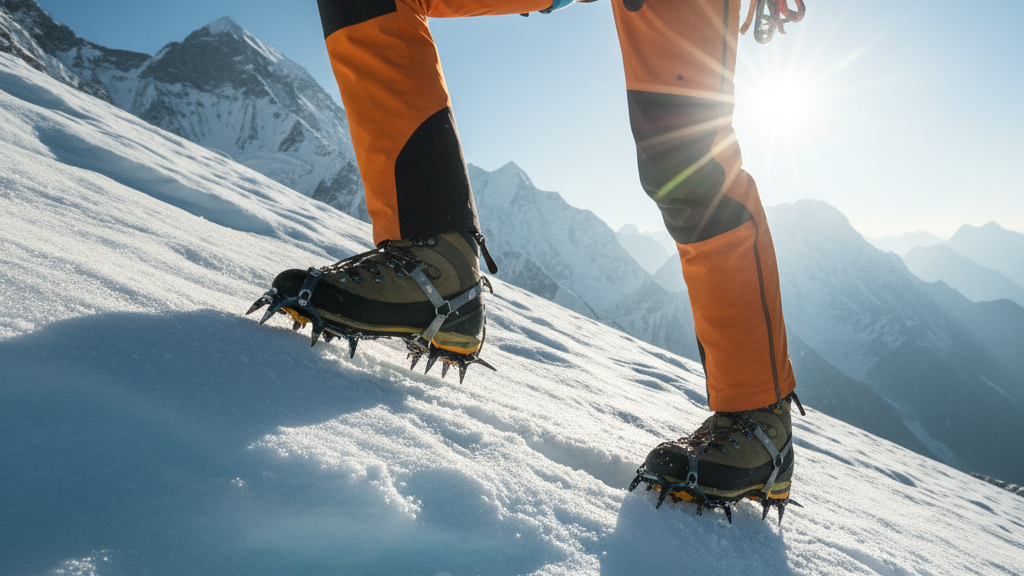
  • Crampons: Metal spikes that attach to your boots for traction on ice and hard snow. Choose models compatible with your boots (strap-on, semi-automatic, or automatic).

4. Ice Axes & Tools

Your extensions for biting into snow and ice.

  • Mountaineering Ice Axe: A single, straight-shafted axe for general mountaineering, self-arrest, and balance on snow slopes.
  • Technical Ice Tools (Pair): Shorter, more aggressively curved axes designed for vertical ice climbing and steep mixed terrain.

5. Protection & Anchoring

These are the tools used to secure the rope to the rock or ice.

  • Quickdraws: Two carabiners connected by a short sling, used to attach the rope to protection points on the rock.
  • Cams (Friends): Spring-loaded camming devices (SLCDs) that fit into cracks in the rock and expand to provide a secure anchor point.
  • Nuts (Chocks): Metal wedges of various sizes that are placed into constrictions in rock cracks.
  • Ice Screws: Hollow tubes with threads that are screwed into solid ice to create anchor points.
  • Pitons: Metal blades hammered into cracks in the rock (less common now but still used in certain situations).
  • Anchor Material: Longer slings, cordelette, and large locking carabiners for building secure anchor systems.

6. Navigation & Emergency

Never leave home without these.

  • Map, Compass, & GPS Device/App: Redundant navigation is crucial, especially in complex terrain.
  • Headlamp: With spare batteries! Essential for early starts or unexpected delays.
  • First Aid Kit: Comprehensive, customized for potential climbing injuries.
  • Knife/Multi-tool: For cutting cord, minor repairs, and emergencies.
  • Repair Kit: Duct tape, cordage, spare parts for critical gear.
  • Satellite Messenger/PLB (Personal Locator Beacon): For emergency communication in areas without cell service.

Technical climbing opens up a whole new world of mountain adventures, particularly peak climbing. As technology evolves the resources we use will open to more and more digital equipment. We’re seeing increasingly lighter, stronger, and more intuitive digital equipment emerging, including advanced satellite communication devices with weather forecasting capabilities to smart wearables that monitor health levels and vital signs at altitude. The future of climbing gear promises even greater precision and safety, potentially making once-impossible feats more attainable for future generations. With the right gear and, more importantly, the right training, you can safely explore the breathtaking vertical landscapes the Himalayas and other great ranges have to offer.

For those truly seeking to push their limits, you might also want to research Alpine Style climbing. This highly demanding technique involves carrying all your gear with you, moving quickly and efficiently up a mountain face without the use of fixed ropes, established camps, or external support (like high-altitude porters). It’s a minimalist, self-sufficient, and incredibly challenging approach that emphasizes speed and self-reliance, representing the pinnacle of high-altitude mountaineering for many.